Trading costs
Why your trade fills at a different price
At a glance
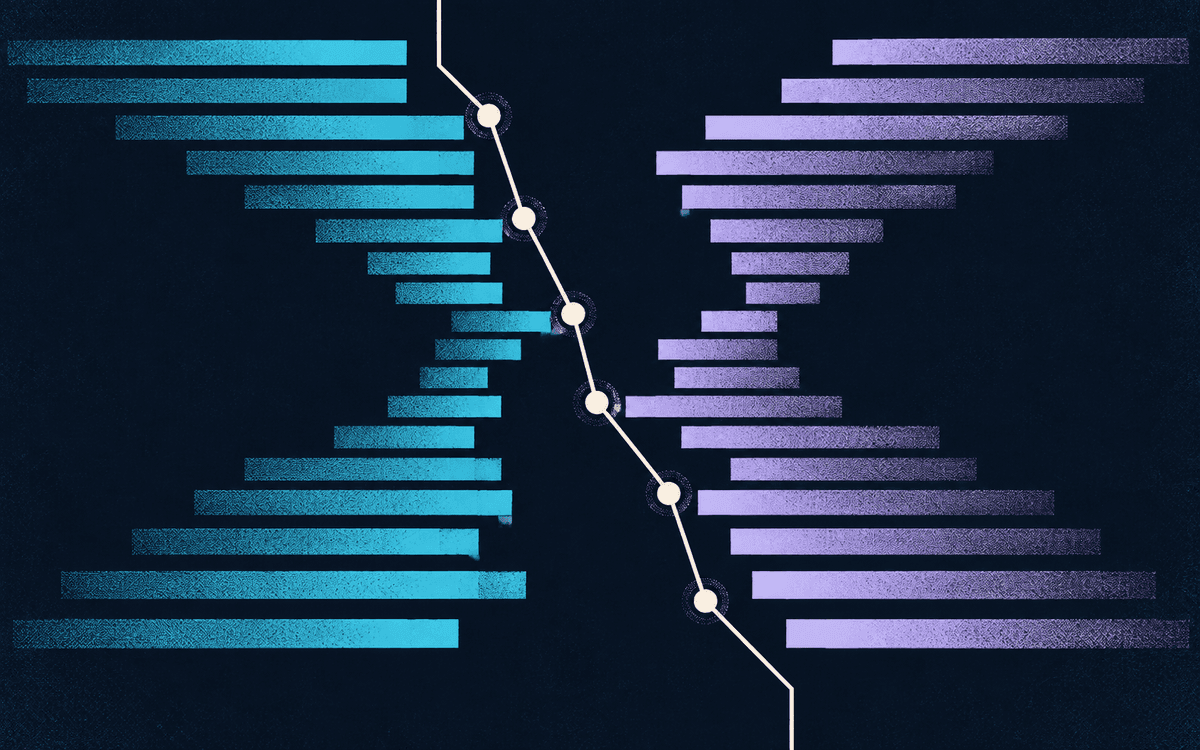
Slippage is the difference between a reference price and the price at which a trade executes. A market order can fill at several order-book levels, changing its average price. This execution difference is separate from the trading fee. A limit order controls acceptable prices but does not guarantee a complete fill.
On this page
You see a token priced at 10 USDT, buy ten units and expect to spend 100 USDT before fees. The completed order shows a little more. Was that difference a trading fee, or did the trade itself happen at different prices?
That distinction matters when comparing trading costs. The price on the screen, the average execution price and the fee charged are separate numbers. A low fee does not tell the whole story.
One order can have several prices
Bybit explains that the last traded price describes the most recent completed trade. A new order instead meets the available orders in the book. If there is insufficient quantity at one level, it can fill across several levels. Bybit’s explanation.
Coinbase’s trading documentation independently confirms that a market order may have multiple fills at different prices and does not guarantee the displayed buy or sell price. Coinbase order types.
Think of the displayed quote as a starting point for understanding the market, not a reservation of enough tokens at that price for your order.
Follow the money through a hypothetical purchase
Suppose a fictional token’s sell orders offer four units at 10.00 USDT and six at 10.10 USDT. Assume those offers stay available and a market buy for ten units fills exactly against them, with no other price levels involved.
- Four units × 10.00 USDT = 40.00 USDT
- Six units × 10.10 USDT = 60.60 USDT
- Total before fees = 100.60 USDT
- Average execution price = 10.06 USDT per unit
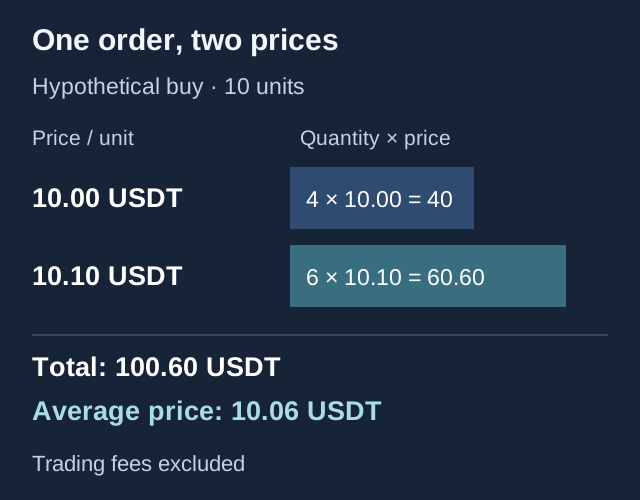
Against the initial 10.00 USDT reference, this purchase costs 0.60 USDT more, or 0.6%. That is an execution-price difference before any trading fee. The example is invented, not a live quote, a platform fee or a forecast of typical slippage.
For your own records, choose a reference price and time consistently. Comparing a fill with the best ask just before submission is different from comparing it with an older last-trade price. State which comparison you mean rather than labelling every difference an extra charge.
Price control comes with a trade-off
Coinbase’s educational explanation links slippage to insufficient quantity at the available price and notes that a buy limit order controls the maximum purchase price but may never fill. Coinbase’s explanation of market and limit orders.
In our simplified order book, a buy limit of 10.00 USDT would not accept the six units offered at 10.10. If the first four units are still available, only that portion could fill immediately; the remainder depends on the order instructions and subsequent market activity. Price control is not a promise of a completed trade.
Before submitting, examine the amount available near your price and read the preview. Afterwards, check the individual fills, the average price and the separate fee entry. This is more informative than looking only at the chart’s headline number.
Where fee cashback fits
CoinFom’s cashback offer concerns eligible trading fees. In the example above, the 0.60 USDT execution difference is not automatically an eligible fee and should not be multiplied by a cashback percentage. Keep execution costs and charged fees separate when assessing a benefit.
Our maker and taker guide explains the fee side; the cashback conditions cover the offer’s scope.
Educational information, not a trading recommendation. Sources checked September 24, 2026. Order handling and protections vary by exchange and product; consult the current rules for the market you use.